
Most punters chasing razz poker tips land on a game that feels more like a Melbourne tram on AFL Grand Final day than a clean draw. I have spent thirty years designing mechanics across three hundred plus titles, and the pattern is always the same: players chase a short card and forget the board state until the river. Treat razz like a slow grind, not a sprint, and you will start reading opponents the way a designer reads a bonus trigger. The lobby itself matters too, because a cluttered interface will cost you more chips than a bad call. If you want a side line that runs as tight as a Geelong winter harbour breeze, you can always wander into legacy of dead in classic tomb exploration between sessions.
Which Table Size Fits Your Style

The first decision you make before the cards hit is the table size, and that choice shapes every razz poker tips you will ever use. Short tables force you to play more hands, which suits loose aggressors who can bully position without getting drowned by too many opponents. Six-max rooms reward patience because you will see fewer limpers and fewer random draws, so the weaker players get isolated faster. I have watched hundreds of seat maps over the years, and the ones that hold money longest are the tables where the blinds rotate predictably and the rake does not eat your stack before you hit a decent seventh card. Think of position like a metre of runway on a drag strip; you do not need the whole track, just enough room to judge the distance. Pick a room where the action stays busy as a Saturday arvo at the local club, not one that swings wild every time a new player joins. If you are playing from Geelong on a slow night, a smaller table lets you track tells without chasing twenty strangers across the felt. The key is matching your comfort zone to the seat count, because a table that is too loose will burn your bankroll before you learn the rhythm.
Reading the Board Before the River
Once you are seated, the real work begins with the board, and that is where most razz poker tips go sideways. You want to track the low cards first, then watch who stays committed when the board climbs into the mid-range. A player who limps with a five and folds to a ten on the turn is telling you exactly how they value their hand. I have built draw mechanics for licensed slots where the payout window only opens after three specific symbols line up, and razz works the same way: you do not commit until the board gives you a clear path to a usable low. Count the exposed low cards, estimate what the deck still holds, and fold when the remaining deck is stacked against you. If you are sitting in Geelong and the room is throwing out random bluffs, tighten up and wait for a board that actually supports your draw. The river should confirm your read, not rescue a weak hand. When you treat each street like a calibrated trigger rather than a coin toss, you stop bleeding chips on hopeful draws and start picking the spots where the odds actually line up.
It helps to observe how opponents react to pressure, much like navigating the legacy of dead in classic tomb exploration where every choice matters. For more strategic depth, you can review additional resources at https://legacy-of-dead-au.com/en-aus/.

Bankroll and Pace Before You Play On
The final layer is money management, and no list of razz poker tips survives a bad session if the limits are wrong. Set a buy-in that lets you survive a rough run without chasing losses, and treat that figure like a fixed licence for the night rather than a target to hit. I have seen too many players treat a downswing like a bonus meter that must refill, which is exactly how a disciplined slot mechanic gets abused when the volatility spikes. Decide your stop point before you log in, keep your stakes steady, and walk away when the table rhythm turns against you. If you are playing on mobile, check that the lobby loads cleanly and the bet sizes match your comfort zone, because a clunky interface will cost you focus faster than a bad call. Support should answer a question in a reasonable time, not leave you hanging through the arvo. When you treat the session like a measured run rather than a lucky dip, you keep the game in your control and leave the table with your stack intact.
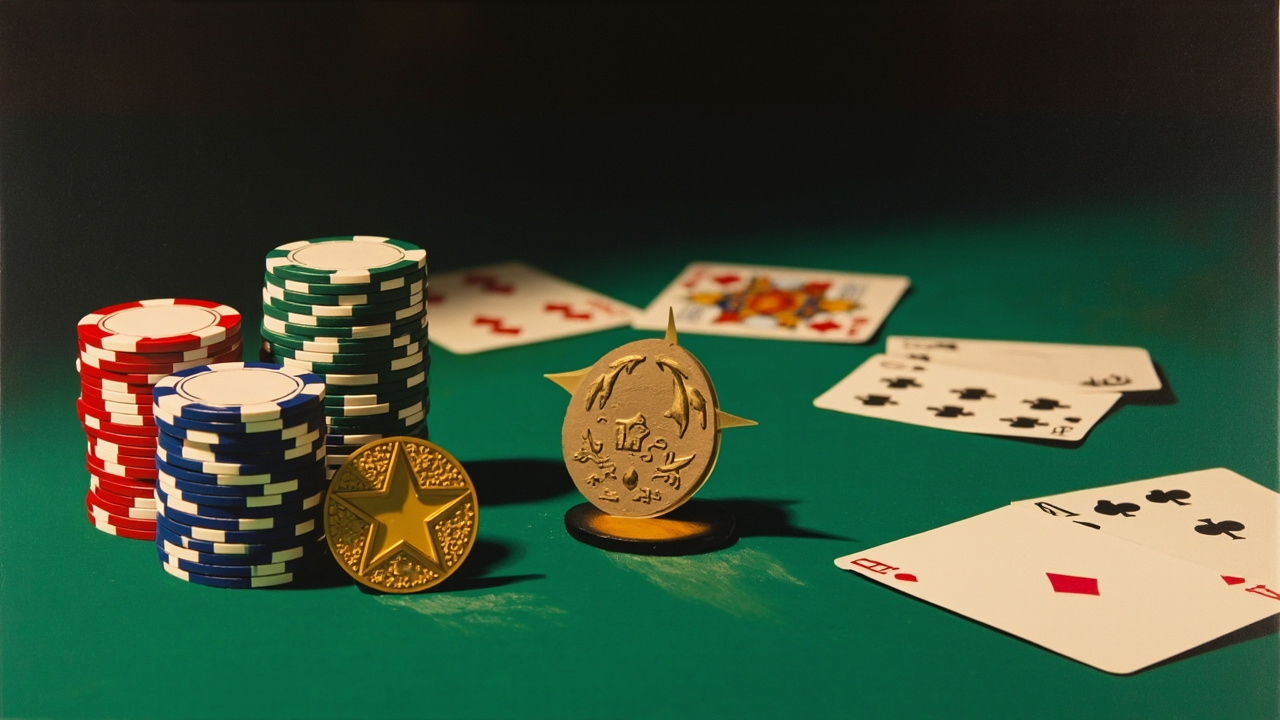
- Pick a table size that matches your patience level and position preference.
- Track exposed low cards on every street before you commit chips.
- Fold when the board climbs and the remaining deck offers no clean low.
- Set a fixed buy-in and a stop point before the first hand deals.
- Keep stakes steady and walk away when the table rhythm turns against you.